
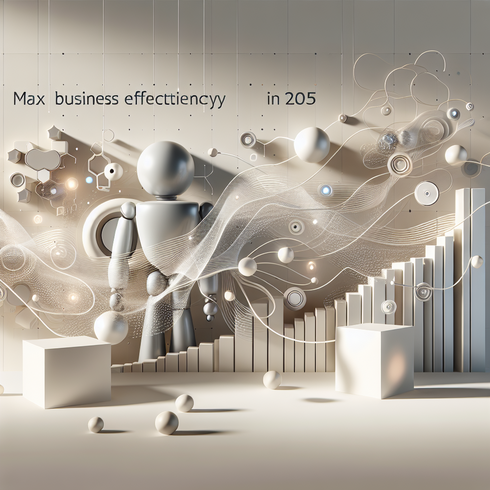
In today’s competitive corporate environment, efficiency is no longer optional—it’s essential. Robot Agents, driven by Artificial Intelligence (AI), are at the forefront of transforming business operations in the USA. These intelligent systems streamline processes, reduce errors, and provide data-driven insights that promote unparalleled productivity.
What is Robot Agent and Why It Matters for Your Business?
Robot Agents leverage AI to mimic human decision-making and task execution, automating repetitive processes and enabling businesses to focus on value-driven strategies.
- Core Functionality: Automates customer interactions, data processing, and operational workflows with precision.
- AI Integration: Uses advanced algorithms to make real-time decisions and optimize performance.
Proven Benefits of Robot Agent in the USA
Adopting Robot Agent technology translates into measurable business advantages:
- Cost Savings: Reduce operational costs by automating labor-intensive tasks.
- Customer Retention: Enhance customer satisfaction through personalized, efficient solutions.
- Scalability: Quickly scale operations without exponentially increasing workforce.
Step-by-Step Guide to Implement Robot Agent
Phase 1 – Assessment and Diagnostics
Analyze which divisions or tasks are ripe for automation. Key metrics such as error rates and task turnaround times are critical.
Phase 2 – Strategic Planning
Define desired outcomes and KPIs for measuring success. Gather stakeholder input to ensure alignment.
Phase 3 – Deployment and Testing
Integrate Robot Agents incrementally, starting with non-critical tasks. Perform rigorous testing and scalability assessments before full implementation.
Common Mistakes to Avoid When Implementing Robot Agent
- Ignoring scalability factors during the planning phase.
- Failing to train staff on working in synergy with new technologies.
- Neglecting data security and compliance with U.S. regulations.
Case Studies: Real-World Impact
Several U.S. companies have transformed their operations through Robot Agent technology. A New York-based logistics company reduced delivery errors by 40% within just six months of implementation. Similarly, a San Francisco tech startup used Robot Agents to cut customer onboarding time from weeks to days.
The Future of Robot Agent: Trends for 2025
Robust advancements in AI ensure that Robot Agents will only grow smarter. Industry forecasts predict deeper integration with IoT devices, empowering businesses with predictive analytics.
Frequently Asked Questions (FAQ)
What industries benefit most from Robot Agent?
Key sectors include healthcare, e-commerce, logistics, and finance.
How much does it cost to implement Robot Agent systems?
Costs vary depending on complexity, with pricing typically ranging from $10,000 to $100,000 for enterprise solutions.
How long does the implementation process take?
From assessment to deployment, most projects span 3 to 6 months depending on the organization’s size.
Can small businesses use Robot Agents effectively?
Absolutely—there are tailored solutions for SMEs to boost efficiency without significant upfront investment.
Are Robot Agents secure?
Yes, provided that proper compliance protocols and encryption methodologies are employed.
Conclusion: Unleash the Power of Automation
Transform your business operations by integrating Robot Agents into your workflow. Automating routine tasks allows your team to focus on innovation and strategy—elements that truly drive growth.
Don’t delay in modernizing your operations. Schedule your consultation with Deivy Hernandez today at https://calendly.com/deivst97 or connect with him on LinkedIn to begin your journey into the future of automation.